
17 Apr 2026
Corrosion-Resistant Metal Roofing: What Makes It Different from Regular Roofing?
Corrosion-Resistant Metal Roofing: What Makes It Different from Regular Roofing?
Share:




In the modern construction industry, metal roofing is increasingly used due to its strength, lightweight nature, and cleaner appearance compared to conventional roofing materials. Whether for residential homes, commercial buildings, or industrial facilities, metal roofing has become a popular choice because of its ability to withstand various weather conditions.
However, not all metal roofs offer the same level of quality. One key difference that often becomes a major consideration is their resistance to corrosion.
Corrosion is a common issue that can affect metal materials, including roofing. Without proper protection, metal roofs can rust more quickly and experience a decline in quality within a relatively short period.
For this reason, many manufacturers now offer corrosion-resistant metal roofing equipped with advanced coating technologies designed to enhance durability.
You may be wondering, what exactly is the difference between regular metal roofing and corrosion-resistant metal roofing? Is corrosion-resistant roofing truly superior in the long term?
This article will explore these questions in detail, covering the causes of corrosion, differences in coating systems, as well as the advantages and applications of corrosion-resistant metal roofing across various types of buildings.
Why Is Corrosion a Problem for Metal Roofing?
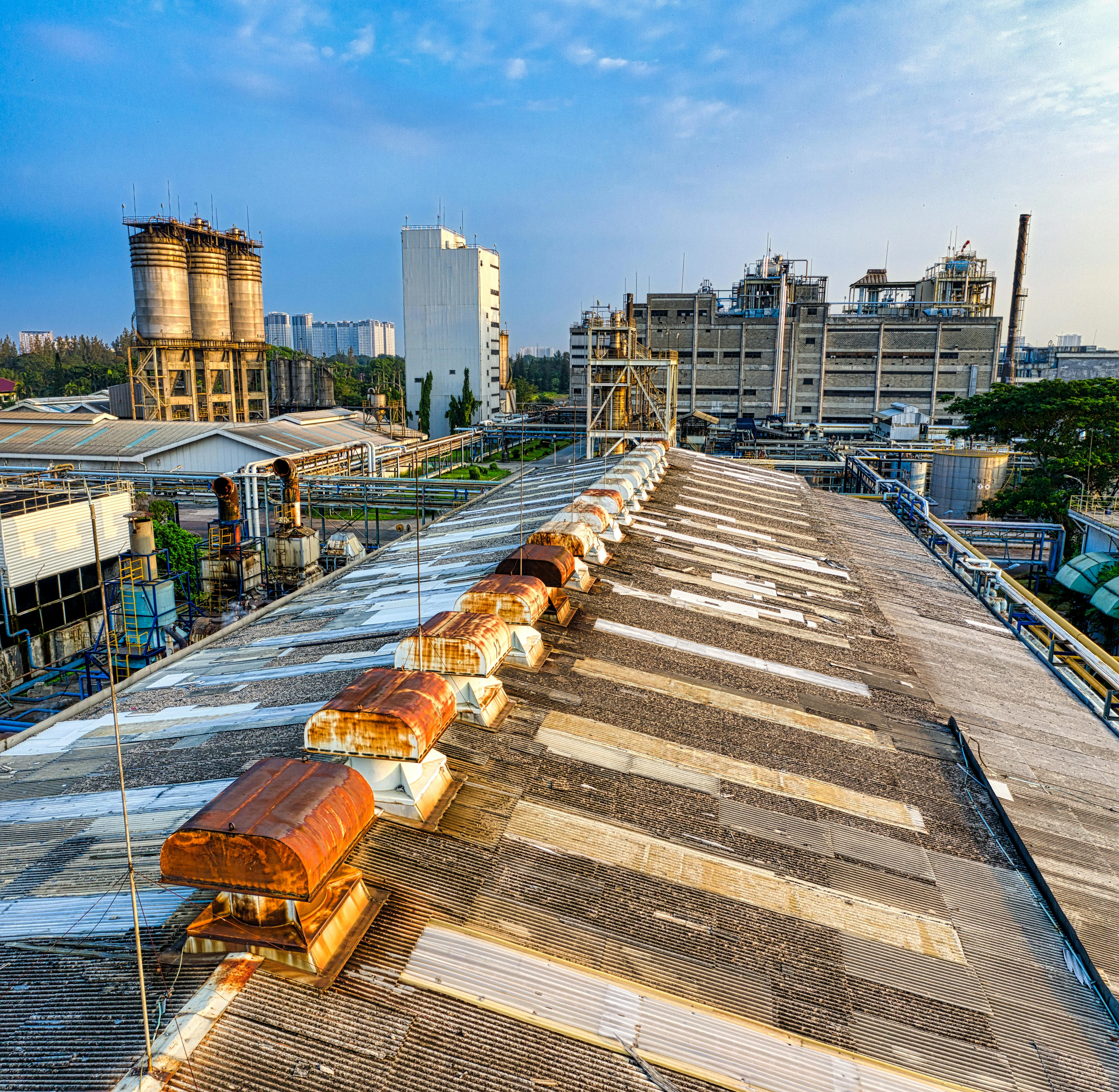
Corrosion is a natural process that occurs when metal reacts with its surrounding environment, particularly water, oxygen, and certain chemicals. In metal roofing, corrosion typically appears as rust, which can damage the surface of the material and reduce its structural strength.
This issue is often underestimated, even though its impact on building performance can be significant. If not addressed early, corrosion can shorten the lifespan of the roof and lead to higher maintenance costs.
The Impact of Corrosion on Building Performance
Corrosion in metal roofing does not only affect appearance but also impacts the overall performance of a building. Rusted metal surfaces become more brittle and prone to damage over time.
You certainly wouldn’t want your roof to develop leaks or structural issues due to corrosion. Once the protective layer begins to deteriorate, rainwater can penetrate the building, leading to problems such as damage to ceilings, walls, and even interior equipment.
In addition, corrosion can weaken the roof structure itself. Over time, this may compromise the building’s safety, especially if the roof can no longer support its intended load.
By choosing corrosion-resistant metal roofing, you can maintain optimal building performance while minimizing the risk of damage.
Long-Term Risk of Damage
Continuous corrosion can lead to more severe damage in the long run. Rusted roofing materials tend to thin out and gradually lose their strength.
In such cases, repairs or even full roof replacement may become necessary, resulting in higher maintenance costs and potential disruptions to building activities.
Furthermore, corrosion can also affect property value. Buildings with damaged or rusted roofs tend to appear poorly maintained and may have lower resale value.
By using corrosion-resistant metal roofing, you can reduce long-term risks and help preserve the value of your property.
Differences Between Regular Metal Roofing and Corrosion-Resistant Roofing
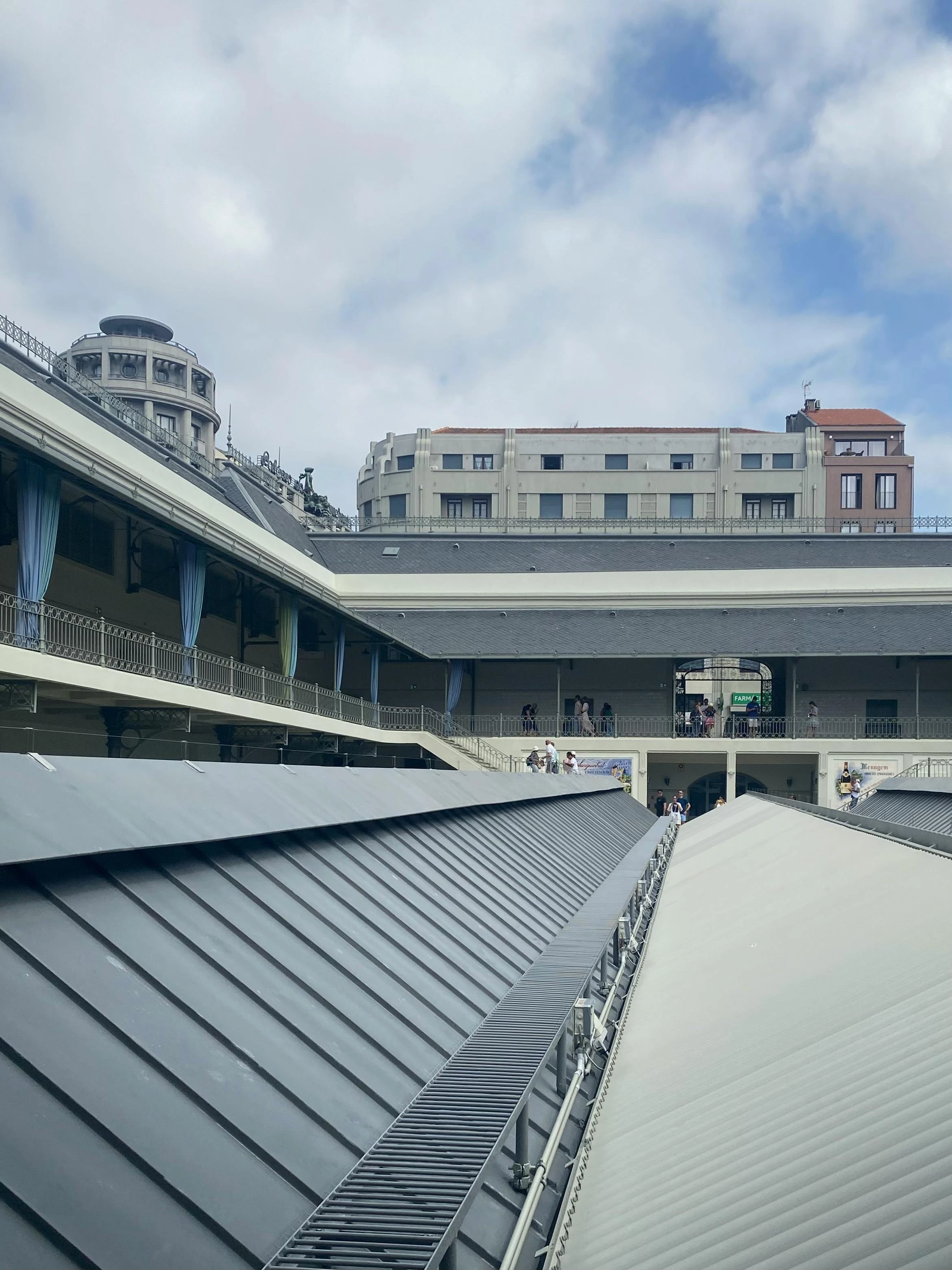
Not all metal roofs are designed with the same technology. The main difference between regular metal roofing and corrosion-resistant roofing lies in their coating system and their ability to withstand extreme weather conditions.
Here are some key differences you need to know:
Coating System
One of the most noticeable differences between regular metal roofing and corrosion-resistant roofing is the coating system used. Regular metal roofs typically have only a standard protective layer that serves as basic protection against rust.
In contrast, corrosion-resistant metal roofing is equipped with a multi-layer coating system designed to provide maximum protection. This system usually consists of a base layer, an aluminum-zinc coating, and a specialized paint layer that protects the surface from water and oxygen exposure.
With corrosion-resistant metal roofing, you benefit from enhanced protection, as these layers help inhibit the chemical reactions that cause rust.
Additionally, the coating helps maintain the roof’s color stability, preventing it from fading easily over time.
Resistance to Extreme Weather Conditions
Another key difference lies in resistance to extreme weather. Regular metal roofing may be sufficiently durable against heat and rain, but it may not perform well in harsher environmental conditions.
Corrosion-resistant metal roofing is specifically designed to withstand prolonged exposure to sunlight, heavy rainfall, high humidity, and even coastal environments with high salt content.
By preventing corrosion, metal roofing helps maintain the structural integrity of a building under various weather conditions. These materials generally offer more stable performance over the long term.
With superior durability, corrosion-resistant metal roofing becomes a safer and more reliable choice for long-term investment.
Advantages of Corrosion-Resistant Metal Roofing
The use of corrosion-resistant metal roofing offers various benefits that are not typically found in standard metal roofing. These advantages have made it increasingly popular across a wide range of construction projects.
From enhanced durability to cost efficiency, corrosion-resistant metal roofing provides added value for building owners.
Higher Durability and Longer Lifespan
One of the key advantages of corrosion-resistant metal roofing is its superior durability. This material is designed to last significantly longer compared to conventional metal roofing.
You don’t need to worry about damage caused by rust, as its strong protective coating helps keep the material well-protected. Its longer lifespan also makes corrosion-resistant metal roofing a more cost-effective investment over time.
In addition, this material remains stable under temperature fluctuations and varying environmental conditions. The roof structure stays strong and is less prone to damage.
This level of durability is what makes corrosion-resistant metal roofing highly recommended for long-term use.
Low Maintenance and Reduced Costs
Another key advantage is its low maintenance requirement. Corrosion-resistant metal roofing does not require complex upkeep, as its protective coating is designed to safeguard the material over the long term.
You can save on maintenance costs since there is no need for frequent repainting or material replacement. This is especially beneficial for large buildings such as warehouses or factories.
In addition, the risk of damage is lower, making overall building operational costs more efficient. With minimal maintenance needs, corrosion-resistant metal roofing offers better long-term economic value.